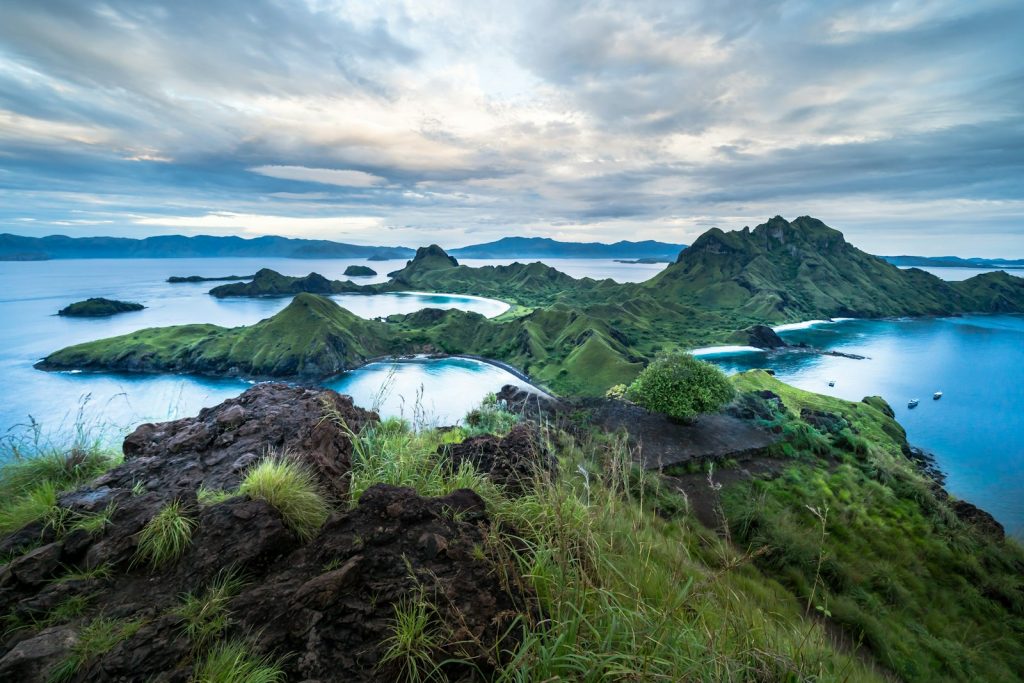
Honest pricing note: All charter rates are indicative ranges (last verified June 2026) and vary by boat size, comfort level, group size and season — July to September and major holidays price at the top; final pricing is confirmed by proforma. Komodo National Park entrance, ranger and activity fees are set by the government, change periodically, and are paid separately per person per day — we explain them but do not collect them. Wildlife and weather cannot be guaranteed: we tell travellers what to expect, not what they want to hear. This is general information, not travel or legal advice. We are an independent Labuan Bajo charter concierge and coordinate vetted boats.
The best time to visit Komodo National Park generally spans the dry season, from April to October. This period offers the calmest seas, clearest visibility for diving and snorkeling, and aligns with peak manta ray activity, making it the ideal window for most travelers. As Reza Wibawa, Logistics & Safety Editor at Private Komodo Charter, my aim is to provide practical, safety-focused insights to help you decide when to go Komodo Island for your private charter experience. Understanding the seasonal nuances of the Flores Sea and surrounding islands is crucial for planning an enjoyable and safe trip. Komodo National Park, a UNESCO World Heritage site, is a tropical destination, but its weather patterns have distinct impacts on sea conditions, wildlife sightings, and the type of vessel recommended for your journey.
Understanding Komodo’s Climate: Dry Season vs. Wet Season
Komodo National Park experiences two primary seasons: the dry season and the wet (or monsoon) season. These are driven by the prevailing winds, which dictate sea conditions and rainfall. The **Dry Season (April – October)** is characterized by southeast winds. These winds typically bring stable, clear weather, minimal rainfall, and, crucially for marine activities, calmer seas across the Flores Sea. This is the period when the majority of visitors plan their trips, and for good reason. The **Wet Season (December – February)**, also known as the Western Monsoon, brings northwest winds. These winds can generate rougher seas, particularly in open water crossings, and bring higher rainfall. The shoulder months of March and November serve as transitions, with weather that can be a mix of both. The implications for your private charter are significant. Calm seas enhance comfort, safety, and the ability to access all desired anchorages and dive sites. Rougher conditions can restrict routes, reduce visibility, and may necessitate a more stable vessel type, such as a phinisi.
The Komodo Dry Season: April to October
This seven-month window is widely considered the prime time for a Komodo adventure. The weather is consistently favorable, promoting smooth sailing and optimal conditions for all activities.
When to Go Komodo Island for Optimal Conditions
During the dry season, you can expect:
- **Calm Flores Sea:** The prevailing southeast winds keep the waters around Komodo National Park relatively placid. This is ideal for comfortable speedboat transfers, snorkeling, diving, and general onboard comfort, especially for those prone to seasickness.
- **Excellent Visibility:** Minimal rainfall means less runoff from land, leading to crystal-clear waters perfect for underwater exploration. Visibility often exceeds 20-30 meters at prime dive sites.
- **Less Rain:** Days are predominantly sunny with clear skies. While tropical showers can occur at any time, they are infrequent and short-lived during this period.
- **Peak Manta Season:** While manta rays are present year-round, the dry season, particularly from May to October, aligns with the highest likelihood of sightings. The conditions (currents, plankton concentrations) during these months are often ideal at sites like Makassar Reef (Manta Point) for these magnificent creatures.
Let’s break down the dry season by month:
April: A Gentle Start
April marks the transition out of the wet season. The rains subside, and the seas begin to calm consistently. This month offers excellent conditions without the peak crowds of July and August, making it a desirable time for those seeking a more tranquil experience. Visibility for diving and snorkeling is already very good, and manta ray sightings begin to increase. Flight times to Labuan Bajo (LBJ) are typically 1.5 hours from Bali (Denpasar, DPS) or 2.5 hours from Jakarta (CGK), and these remain consistent year-round.
May: Near Perfect Conditions
May is often cited as one of the best months. The weather is stable, seas are calm, and marine life is abundant. It’s early in the peak manta season, and the park is not yet at its busiest, offering a balance of superb conditions and moderate crowd levels. Water temperatures are consistently warm, ideal for extended periods in the water.
June: Consistently Excellent
June continues the trend of superb dry season weather. Expect clear skies, calm seas, and excellent visibility. It’s a fantastic month for diving, snorkeling, and island hopping. Demand for private charters starts to pick up, so booking a few months in advance is advisable, particularly for specific phinisi vessels.
July & August: Peak Tourist Months
These two months represent the absolute peak of the tourist season. The weather is at its most reliable, with virtually no rain and consistently calm waters. However, this popularity comes with considerations:
- **Higher Demand:** Charters, flights, and accommodations in Labuan Bajo are booked well in advance. Securing your preferred phinisi or speedboat requires booking 6-12 months out.
- **Busier Anchorages:** Popular spots like Pink Beach, Padar Island viewpoints, and Manta Point can see more boats and visitors, especially during mid-day. Early morning departures are key to experiencing these sites with fewer crowds.
Despite the increased activity, July and August remain excellent months due to the near-guaranteed favorable weather and abundant wildlife.
September: Still Prime, Slightly Quieter
As the peak summer crowds begin to dissipate, September offers a continuation of prime dry season conditions. The weather remains stable, seas are calm, and visibility is excellent. It’s an ideal month for those who want excellent weather but prefer slightly fewer people than in July or August. Manta ray sightings remain highly probable.
October: End of Dry Season, Still Rewarding
October marks the tail end of the dry season. Conditions are still very good, with calm seas and clear waters. You might experience slightly warmer temperatures and a very slight increase in the chance of an isolated shower towards the end of the month as the weather transitions. Manta ray season is still strong, making it a rewarding time for marine enthusiasts. The Komodo dry season is definitely the preferred period for most visitors seeking optimal conditions.
Komodo’s Shoulder Months: March & November
These months bridge the gap between the wet and dry seasons. They can offer a rewarding experience for flexible travelers, but require closer attention to forecasts.
Transitions
March: Emerging from the Monsoon
March sees the Komodo region emerging from the peak of the wet season. Rainfall decreases significantly, and the western winds begin to diminish, leading to progressively calmer seas. Early March can still have some residual rain and choppier conditions, but by mid-to-late March, conditions often become very pleasant. Crowds are generally low, offering a more exclusive experience. For a speedboat charter, monitor forecasts closely; phinisi charters offer more stability if conditions are less predictable.
November: Approaching the Monsoon
November is the transition month into the wet season. Early November often enjoys excellent dry season-like conditions, with calm seas and good visibility. The Komodo manta season can extend well into November, offering continued opportunities for sightings. As the month progresses, the chance of rainfall and stronger western winds increases. By late November, you may encounter more unpredictable weather. It’s a month that balances good conditions with the potential for change, requiring a flexible itinerary and a captain well-versed in local weather patterns.
The Western Monsoon / Wet Season: December to February
This period presents the most significant challenges for Komodo charters due to the prevailing Western Monsoon. While not impossible to visit, it requires careful planning, vessel choice, and an understanding of potential limitations.
Challenges and Considerations
During the wet season, the dominant northwest winds can generate:
- **Rougher Seas:** Open water crossings, such as those between Labuan Bajo and Padar Island or when venturing into the Sape Strait, can become significantly choppy or even unsafe for smaller vessels. This is the primary reason why some months are unsafe for speedboat crossings in certain areas.
- **Higher Rainfall:** Expect more frequent and sometimes heavier tropical downpours. These typically don’t last all day but can affect visibility and comfort during excursions.
- **Safety Considerations:**
- **Speedboat Limitations:** Due to their size and design, speedboats are more susceptible to rough seas. Certain routes may become unsafe, and captains will prioritize safety, potentially altering itineraries.
- **KSOP Regulations:** The Kapal Syahbandar Otoritas Pelabuhan (KSOP), the local Port Authority, monitors sea conditions closely. They have the authority to issue warnings or even restrict vessel movements, particularly for smaller boats, if conditions are deemed unsafe. Adherence to KSOP requirements is mandatory for all licensed vessels operating in Komodo National Park.
- **Phinisi Advantage:** Phinisi vessels, being larger and more stable, are generally better equipped to handle choppier conditions. They offer a more comfortable and safer option during the wet season, though even phinisi operations will adjust itineraries based on captain’s discretion and KSOP advisories.
December: Unpredictable Start
December marks the official start of the wet season. Weather can be highly unpredictable. Early December might still offer reasonable conditions, but by mid-month, expect increasing rainfall and a higher likelihood of rough seas. Chartering a phinisi is generally recommended for stability.
January: Peak Monsoon
January is typically the peak of the wet season, characterized by the highest rainfall and strongest winds. Sea conditions are often at their choppiest, and certain routes may be inaccessible. While Komodo dragons are still active on land, marine activities can be impacted by reduced visibility and strong currents. For most travelers, this is the least ideal month for a Komodo charter, especially if a speedboat is preferred. If you must travel, a phinisi offers the best chance for a comfortable and safe journey, focusing on more sheltered areas.
February: Improving, Still Wet
February remains within the wet season, but conditions often begin to improve towards the end of the month. Rainfall can still be significant, but the winds may start to moderate. It’s a month of transition, similar to March but in reverse. Phinisi charters are still the recommended choice, with speedboats requiring very close attention to daily forecasts and KSOP advisories.
What Happens if Weather Forces a Route Change Mid-Charter?
Safety is paramount. If adverse weather conditions develop mid-charter, your captain, in consultation with our team, will make decisions based on the latest forecasts and KSOP guidance. This may involve altering the itinerary to explore more sheltered islands or bays, delaying departures, or returning to Labuan Bajo earlier if necessary. Flexibility is key when traveling during the wet season, and our priority is always the safety and well-being of our guests. Private Komodo Charter works with experienced captains who possess deep local knowledge of the Komodo archipelago’s microclimates.
Komodo Wildlife Calendar: Mantas, Dragons & More
One of the primary draws of Komodo National Park is its incredible biodiversity. While seasonal weather affects access and comfort, many of Komodo’s iconic species are present year-round.
- **Komodo Dragons:** These ancient reptiles, found on Komodo Island and Rinca Island, can be observed throughout the year. The best viewing times are typically during the cooler parts of the day (early morning or late afternoon) when they are most active. While the wet season might mean a slightly muddier trek, it doesn’t deter the dragons.
- **Manta Rays:** As mentioned, the Komodo manta season is generally from April to November, with peak sightings from May to October. During these months, conditions are often optimal at sites like Karang Makassar (Manta Point) due to plankton blooms and currents that attract them. While sightings are never guaranteed – they are wild animals, after all – your chances are significantly higher during this period. They are still present in the wet season, but rougher seas can make reaching their feeding grounds more challenging and reduce underwater visibility.
- **Turtles, Reef Sharks, and Diverse Fish Life:** The vibrant coral reefs of Komodo host a staggering array of marine life, including green sea turtles, hawksbill turtles, various species of reef sharks, and countless reef fish. These creatures are permanent residents and can be encountered year-round, provided sea conditions allow access to dive and snorkel sites.
- **Dolphins:** Pods of dolphins are frequently sighted throughout the year, often accompanying boats as they navigate between islands.
Remember, wildlife sightings are always a privilege, not a guarantee. Respectful observation and adherence to park rules are crucial to protecting these animals.
Month-by-Month Breakdown: Best Month Komodo National Park
This table provides a concise overview to help you determine the best month Komodo National Park offers for your specific preferences.
- January
-
- **Sea Conditions:** Often rough, especially open water.
- **Rain:** High, frequent tropical downpours.
- **Visibility:** Fair to good, can be reduced by runoff and stirred sediment.
- **Crowds:** Low.
- **Manta Likelihood:** Lower due to conditions affecting access to sites.
- **Recommended Vessel:** Phinisi (due to stability).
- **Notes:** Peak monsoon, most challenging month. Be flexible with itinerary.
- February
-
- **Sea Conditions:** Moderate to rough, improving towards month-end.
- **Rain:** High, but less consistent than January.
- **Visibility:** Fair to good, improving.
- **Crowds:** Low.
- **Manta Likelihood:** Lower, improving.
- **Recommended Vessel:** Phinisi, speedboats with extreme caution and forecast monitoring.
- **Notes:** Still wet season, conditions can be unpredictable.
- March
-
- **Sea Conditions:** Moderate, becoming calm.
- **Rain:** Moderate, decreasing significantly.
- **Visibility:** Good, improving.
- **Crowds:** Low to moderate.
- **Manta Likelihood:** Moderate, increasing.
- **Recommended Vessel:** Both, speedboats fine later in month.
- **Notes:** Shoulder month, good value before peak season, fewer crowds.
- April
-
- **Sea Conditions:** Calm.
- **Rain:** Low, occasional light showers.
- **Visibility:** Excellent.
- **Crowds:** Moderate.
- **Manta Likelihood:** High, consistent sightings.
- **Recommended Vessel:** Both.
- **Notes:** Start of dry season, excellent conditions, good balance of weather and crowds.
- May
-
- **Sea Conditions:** Calm.
- **Rain:** Low.
- **Visibility:** Excellent.
- **Crowds:** Moderate.
- **Manta Likelihood:** High, peak season.
- **Recommended Vessel:** Both.
- **Notes:** Often considered one of the best months overall.
- June
-
- **Sea Conditions:** Calm.
- **Rain:** Low.
- **Visibility:** Excellent.
- **Crowds:** Moderate to high.
- **Manta Likelihood:** High, peak season.
- **Recommended Vessel:** Both.
- **Notes:** Consistently superb weather, demand increases.
- July
-
- **Sea Conditions:** Calm.
- **Rain:** Very Low.
- **Visibility:** Excellent.
- **Crowds:** High.
- **Manta Likelihood:** High, peak season.
- **Recommended Vessel:** Both.
- **Notes:** Peak tourist month, book well in advance.
- August
-
- **Sea Conditions:** Calm.
- **Rain:** Very Low.
- **Visibility:** Excellent.
- **Crowds:** High.
- **Manta Likelihood:** High, peak season.
- **Recommended Vessel:** Both.
- **Notes:** Peak tourist month, book well in advance.
- September
-
- **Sea Conditions:** Calm.
- **Rain:** Low.
- **Visibility:** Excellent.
- **Crowds:** Moderate.
- **Manta Likelihood:** High, peak season.
- **Recommended Vessel:** Both.
- **Notes:** Excellent conditions, slightly fewer crowds than July/August.
- October
-
- **Sea Conditions:** Calm.
- **Rain:** Low, increasing towards month-end.
- **Visibility:** Excellent.
- **Crowds:** Moderate.
- **Manta Likelihood:** High, still very good.
- **Recommended Vessel:** Both.
- **Notes:** End of dry season, still highly recommended.
- November
-
- **Sea Conditions:** Moderate, becoming choppier late month.
- **Rain:** Moderate, increasing.
- **Visibility:** Good, can decrease late month.
- **Crowds:** Low to moderate.
- **Manta Likelihood:** Moderate, good early month.
- **Recommended Vessel:** Phinisi generally recommended, speedboats with caution.
- **Notes:** Shoulder month, early November can be excellent; late November more unpredictable.
- December
-
- **Sea Conditions:** Moderate to rough.
- **Rain:** High, increasing.
- **Visibility:** Fair to good.
- **Crowds:** Low.
- **Manta Likelihood:** Lower.
- **Recommended Vessel:** Phinisi.
- **Notes:** Start of wet season, can be unpredictable.
Practical Planning Considerations for Your Komodo Charter
Beyond just the season, several practical aspects influence your charter experience.
Booking Ahead
For the peak dry season (July and August), and for popular phinisi vessels, booking your charter at least 6-12 months in advance is essential. For other dry season months, 3-6 months is generally sufficient. During the shoulder or wet season, you might find more last-minute availability, but still, planning 1-2 months out is prudent.
Flexibility is Key
While we strive for perfect itineraries, Komodo National Park is a wild environment. Weather can change, and captains will always prioritize safety. Being open to slight adjustments in your schedule or chosen anchorages, especially during the shoulder or wet season, will ensure a smoother experience.
KSOP Safety Requirements
All reputable charter operators strictly adhere to the safety requirements mandated by the Kapal Syahbandar Otoritas Pelabuhan (KSOP), the local Port Authority in Labuan Bajo. This includes ensuring vessels meet safety standards, carrying appropriate permits, and, critically, respecting KSOP advisories regarding sea conditions. During periods of rough weather, KSOP may restrict vessel movements, particularly for smaller boats. Our captains will always operate within these guidelines.
Choosing Your Vessel: Speedboat vs. Phinisi
Your choice of vessel should align with the season and your priorities:
- **Speedboat:** Ideal for those who prioritize speed, wish to cover more ground, and maximize time at multiple sites in a day. Speedboats are typically faster (e.g., Labuan Bajo to Padar Island in 1.5-2 hours, compared to 4-5 hours by phinisi) and can be more agile. They are best suited for the calm seas of the dry season. In rougher conditions, they can be less comfortable and may be restricted by KSOP.
- **Phinisi:** These traditional Indonesian sailing vessels offer stability, comfort, and a more leisurely pace. They are better equipped to handle choppier seas, making them a more robust option for the shoulder and wet seasons. Phinisi provide more spacious cabins, deck areas, and often a more immersive, multi-day liveaboard experience.
Park Fees
It’s important to budget for Komodo National Park fees, which are separate from your charter costs. These fees vary based on the day of the week (weekdays versus weekends/public holidays) and citizenship (Indonesian versus foreign nationals). As of our last verification in June 2026, foreign national fees typically range from IDR 300,000 to IDR 600,000 per person per day, covering entrance, ranger fees, and activities like snorkeling or trekking. Your charter provider will clarify the exact amounts based on your itinerary. Ready to plan your trip to Komodo National Park? Our team at Private Komodo Charter can help you navigate the seasons and choose the ideal vessel for your adventure. Plan your trip with us today via our website or WhatsApp for personalized advice. No one can pay to change what we publish; if you proceed with our partner they may pay us a referral fee at no extra cost to you.
What to Pack for Each Season
Your packing list should adapt to the expected weather conditions.
Dry Season (April – October):
- **Light Clothing:** Breathable fabrics like cotton or linen.
- **Swimwear:** For daily dips in the ocean.
- **Sun Protection:** Wide-brimmed hat, sunglasses, and reef-safe sunscreen (essential to protect the marine ecosystem).
- **Light Jacket/Sweater:** Evenings can sometimes have a cool breeze, especially on a phinisi.
- **Comfortable Sandals/Flip-flops:** For boat and beach.
- **Water Shoes/Reef Booties:** For walking on rocky beaches or shallow coral.
Wet Season (December – February) & Shoulder Months (March, November):
- **Waterproof Jacket/Poncho:** Essential for rain showers.
- **Quick-Dry Clothing:** Helps manage humidity and unexpected wetness.
- **Sturdy Footwear:** For trekking on potentially muddy trails.
- **Insect Repellent:** More prevalent during the wet season.
- **Dry Bags:** To protect electronics and valuables from rain and sea spray.
General Items (Year-Round):
- **Reusable Water Bottle:** Stay hydrated and minimize plastic waste.
- **Camera (with waterproof housing):** To capture the incredible landscapes and marine life.
- **Power Bank:** For charging devices on the go.
- **Basic First-Aid Kit:** Small cuts, motion sickness medication.
Frequently Asked Questions
What is the absolute best month to visit Komodo?
While “best” is subjective, **May** and **September** are often cited as the absolute best months. They offer superb dry season weather (calm seas, clear skies, excellent visibility), high likelihood of manta ray sightings, and generally fewer crowds compared to the peak months of July and August.
Is it safe to visit Komodo during the wet season?
Visiting during the wet season (December-February) can be safe, but it requires more careful planning and flexibility. Rough seas and heavy rain are more common, making phinisi vessels the recommended choice for their stability. Speedboats may face restrictions or route changes due to KSOP advisories. We prioritize safety and will always advise based on current conditions.
Can I see Komodo dragons and manta rays year-round?
Yes, Komodo dragons are present and can be seen year-round on Komodo and Rinca islands. Manta rays are also present year-round, but your chances of encountering them are significantly higher during the Komodo manta season, which generally runs from April to November, with peak sightings from May to October.
How far in advance should I book my Komodo charter?
For the peak dry season (July-August), book 6-12 months in advance, especially for specific phinisi vessels. For other dry season months (April-June, September-October), 3-6 months is advisable. During the shoulder (March, November) and wet seasons, 1-2 months might